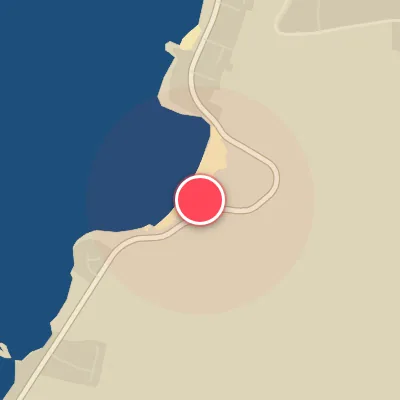
Map
Map
Waikiki Beach
Today's Surf Conditions at Waikiki Beach
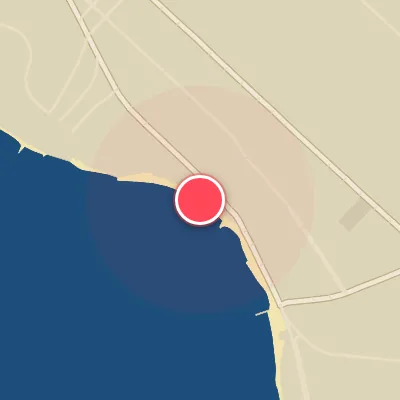
Spot Conditions Map
Hover over the hourly chart columns to update the wind & swell direction overlays on the map.
Today's Surf & Wind Forecast (Hourly)
Loading forecast text...
Best Surf Season & Climatology
Best Surf Season (October - March)
The North Pacific winter machine fires up in October, and by November, the islands are consistently in the crosshairs of powerful extratropical storms. For Waikiki, a north-facing beach, this is prime time. Swell from N, NNE, NW, and NNW dominates, with average wave heights hovering around 1.8m and periods often exceeding 12 seconds, delivering long-period groundswells that wrap perfectly into the bay. The trade winds ease during these months, and passing cold fronts can swing the wind offshore from the south or southwest, creating glassy conditions on a regular basis. The combination of solid NW swell and light S-SSW winds is the golden ticket, yielding clean, rippable waves in the 1-2.5m range. December through February are the core months, with January seeing the highest period and best wind consistency (23% ideal).
Fair Surf Season (April & September)
April and September represent transitional periods. In April, the last of the winter swell lingers but fades, with average heights dropping to 1.6m and shorter periods. The trade winds begin to strengthen, with ENE winds blowing over 60% of the time, often creating bumpy conditions. Still, occasional late-season NW pulses can provide fun, waist-to-shoulder high waves when the wind cooperates. September sees the return of longer-period swells as early-season storms form in the North Pacific, but the swell direction is still predominantly from the east and northeast – not ideal for Waikiki’s north exposure. However, with average periods of 11.4s, some E swell can wrap in, and the wind starts to become slightly more variable, offering brief windows of offshore flow. These months are for the optimists and early birds.
Low Surf Season (May - August)
From May through August, the North Pacific goes quiet. Swell heights drop to 1.5m on average, with the vast majority of wave energy coming from the east (ENE to ESE directions). These are short-period, wind-driven waves that do not favor a north-facing lineup like Waikiki. The prevailing trade winds are relentless – ENE winds blow over 83% of the time in June and July, often at 20-40kph, creating choppy, messy conditions. Ideal offshore wind (from the south quadrant) occurs less than 5% of the time. Waves are typically small and weak, with long flat spells. Summer is the off-season for surfers looking for quality at Waikiki; it's a time for swimming and sunbathing, not for serious wave riding.
Detailed Surf Information for Waikiki Beach
Detailed Surf Forecast
Access our detailed 8-day swell and wind forecast charts for Waikiki Beach with tidal graphs, period ranges, and daily forecast text summaries.
Swell & Wind Statistics
Explore historical swell consistency, wave heights, and offshore wind windows month-by-month, compiled from over 40 years of data.
Historical Surf Report
Browse the historical database archives to view past wave reports and understand spot climatology during specific years and months.