Map
Map
Wasaga Beach
Today's Surf Conditions at Wasaga Beach
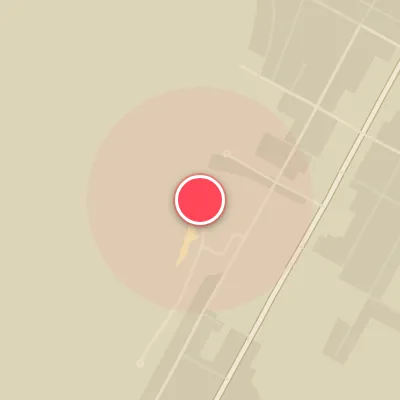
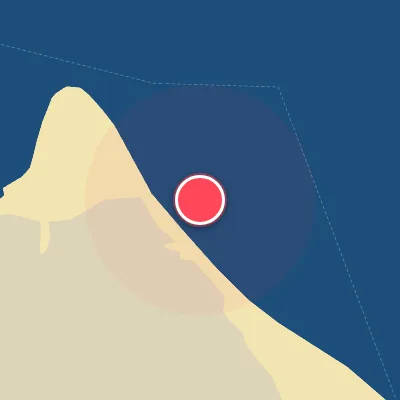
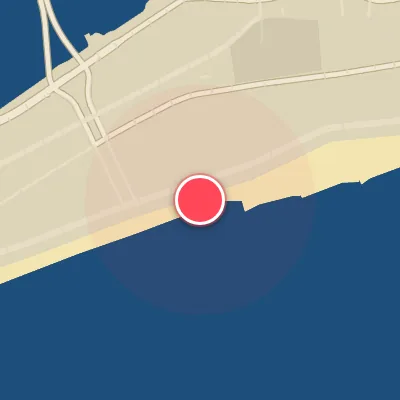
Spot Conditions Map
Hover over the hourly chart columns to update the wind & swell direction overlays on the map.
Today's Surf & Wind Forecast (Hourly)
Loading forecast text...
Best Surf Season & Climatology
Best Surf Season (November - February)
Wasaga Beach sits on the shores of Georgian Bay, a vast freshwater inland sea where wave energy is almost entirely derived from local wind fetch rather than distant storm systems. The winter months from November through February bring the highest average swell heights, typically hovering around 0.6 to 0.7 m, and the longest mean periods near 4 seconds — still short by ocean standards but the best you'll find here. During this window, the Great Lakes region becomes a battleground of clashing air masses. Arctic high pressure occasionally delivers cold, stable conditions with offshore flow from the south to southwest (SSW, SW, WSW), which aligns perfectly with the beach's north-west exposure to groom the face. However, these offshore wins are rare, occurring only 1-6% of the time. The dominant swell arrives from the NW to NNW quadrant — the same directions that produce onshore wind and chop. So when a winter storm cranks up a NW windswell, it's almost always accompanied by raunchy onshore wind. The key is to wait for a high-pressure system to slide south, swinging the wind to the south or southwest while a fading low still sends in residual WNW-NW swell. Those are the magic sessions, glassy and lined up.
Fair Surf Season (March & October)
March and October represent transitional months, where the average swell height drops to about 0.5 m and the period slips back to 3.6-3.7 s. These shoulder-season months offer a slightly better chance of clean conditions as the wind patterns are in flux. In October, the autumn transition brings a higher frequency of south to southwest winds (offshore) — ideal wind percentages climb to 4% — but the fetch is limited, and the waves quickly become weak and fat. March sees the tail end of winter's energy, but lake ice and lingering cold often keep the wind out of the north-west, ruining any chance of quality. Still, on those rare days when a warm front pushes in from the south and the lake is relatively calm, a few fun-sized peelers can appear. Both months are best described as low-probability, high-reward windows for the patient local.
Low Surf Season (April - September)
From April through September, Wasaga Beach essentially enters a surf desert. Average swell heights plummet to 0.2-0.4 m, and mean periods barely reach 2.8-3.3 s — essentially micro-windswell with no power. The dominant wind regime shifts to a persistent north-west to south-east pattern, with offshore flow (south to southwest) occurring only 0-3% of the time. During the summer months, the lake is often glassy flat, and the rare pulses of swell are completely defeated by the strong diurnal onshore breeze that develops as the land heats up. Long-period swell is virtually non-existent; the fetch on Georgian Bay is simply too small. May through August are particularly dismal, with height at or below 0.3 m and zero days of ideal wind. Surfable waves are essentially unheard of — this is strictly a swimming and paddling time frame for the beach.
Detailed Surf Information for Wasaga Beach
Detailed Surf Forecast
Access our detailed 8-day swell and wind forecast charts for Wasaga Beach with tidal graphs, period ranges, and daily forecast text summaries.
Swell & Wind Statistics
Explore historical swell consistency, wave heights, and offshore wind windows month-by-month, compiled from over 40 years of data.
Historical Surf Report
Browse the historical database archives to view past wave reports and understand spot climatology during specific years and months.