- Home
- ...Australia
 Australia
- Burleigh Heads
Today's Surf Conditions at Burleigh Heads
Spot Overview & Description
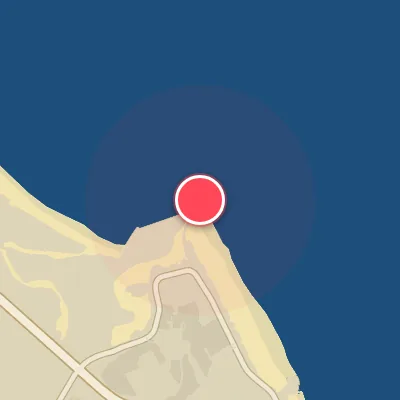
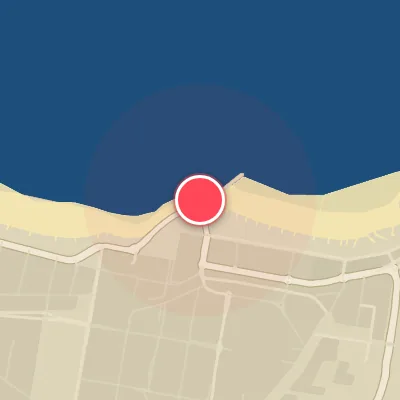
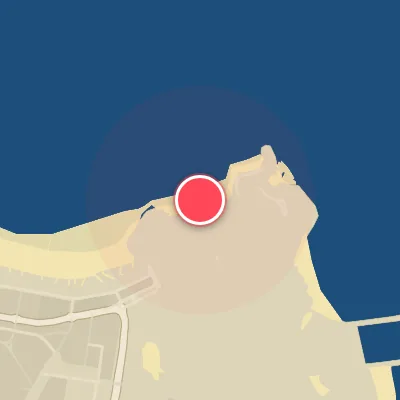
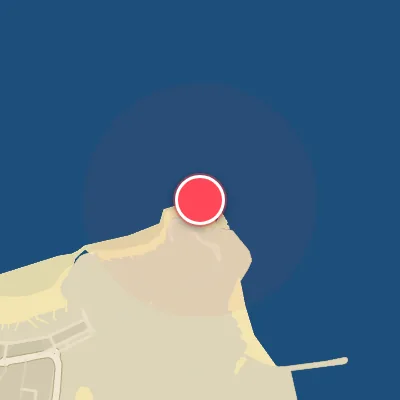
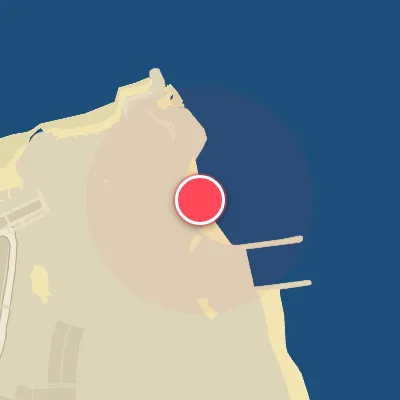
Burleigh Heads stands as a quintessential Gold Coast point break, where the raw beauty of Pandanus Trees National Park frames a shoreline of boulders and sand. While it flies a touch under the radar compared to its more crowded neighbors, this wave carries a distinctly localized pulse—expect a friendly nod from the regulars when you paddle out, but know that the vibe is earned. The magic here fires when a solid southeast swell pushes in, wrapping around the headland to deliver a clean, right-handed point break that peels over a mixed bed of boulders and sand. At around 3 feet (1 meter), it begins to wake up, and when conditions align, it can spit out legitimately engaging barrels that rival anything in the area—especially when the rest of the coast is closing out. The ideal wind is a crisp southwest breeze, grooming the face for those feathering walls. Tide-wise, you'll want to target low to mid, though a high tide can still offer shape if the sandbar is cooperating. This wave demands respect. It's firmly in expert territory, where positioning, timing, and a sharp eye for the shifting peaks separate the session from the struggle. The sand that shapes the wave is notoriously fickle, so the setup can change dramatically from one day to the next. When the point is truly pumping, you'll see surfers paddling over from the Tallebudgera rivermouth, drawn by the promise of hollow sections—but beware the rips, which can sweep you off your intended line in a heartbeat. It might take a few sessions to find your groove, but that hunt is part of what makes Burleigh a destination for those who chase the real deal.
Best Surf Season & Climatology
Best Surf Season (April - August)
The subtropical ridge tightens over the Australian mainland in autumn, setting up regular pulses of SW-W offshore wind for the north-east facing banks at Burleigh Heads. This autumn-winter window is the most reliable of the year: ideal wind percentages climb from 28% in April to a maximum of 43% in July, while average wave periods push into the 8.6-8.9s range. The Tasman Sea and Southern Ocean lows deliver a steady mix of E, ESE and SE groundswell, and although the average wave height sits around 1m (3ft), the clean, groomed conditions make the point fire. Cooler, drier air and water temperatures between 20-25 C (68-77 F) also mean far less humid, bumpy sea-breeze junk.
Detailed Surf Information for Burleigh Heads
Detailed Surf Forecast
Access our detailed 8-day swell and wind forecast charts for Burleigh Heads with tidal graphs, period ranges, and daily forecast text summaries.
Swell & Wind Statistics
Explore historical swell consistency, wave heights, and offshore wind windows month-by-month, compiled from over 40 years of data.
Historical Surf Report
Browse the historical database archives to view past wave reports and understand spot climatology during specific years and months.