- Home
- ...Australia
 Australia
- Werri Beach
Today's Surf Conditions at Werri Beach
Spot Overview & Description
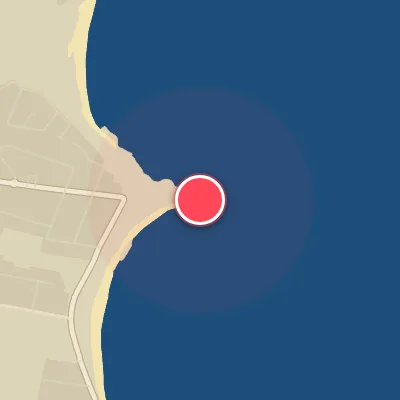
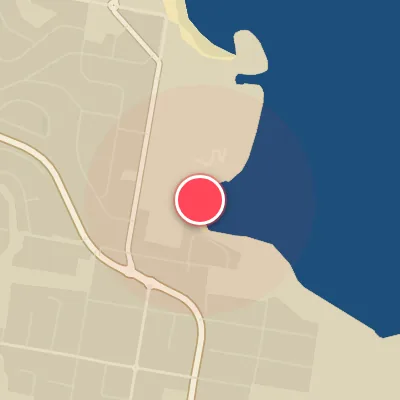
Werri Beach, perched on New South Wales’ south coast, is a classic salt-and-sand playground that draws a healthy mix of locals and holidaymakers alike. Its wide, dynamic beach breaks are the main attraction—capable of handling a range of swell sizes and directions, with a clear bias toward east and especially northeast pulses. When a solid NE groundswell rolls in, the northern end of the beach lights up with tidy A-frames that peel both left and right, offering plenty of options for a variety of skill levels. The break responds well to swell from around 1 foot and up, and it stays surfable across all tides—though you’ll find the best shape and most consistent waves during low to mid tide, when the sandbars are most defined. Optimal conditions call for a light west wind, grooming the lines and keeping the faces clean. While there are plenty of forgiving, user-friendly sections for beginners, don’t be lulled into complacency: the wave can pitch quickly into shallow, rock-studded barrels that demand respect and sharp reflexes. Expect summer crowds to build as caravan parks fill and the sun comes out—hitting the water early is your best bet for securing a peak to yourself. Good surf etiquette holds the lineup together here, so keep an eye out, share the sets, and respect the rhythm of the beach. As with any south coast sandbank, conditions can shift fast; check the swell and tide before you paddle out, and be ready to adapt.
Best Surf Season & Climatology
Best Surf Season (April - September)
Werri Beach really finds its rhythm as autumn takes hold and the Tasman Sea comes to life. From April through September, the percentage of ideal surf days climbs from the low 30s in summer to a solid 54-68%, as the subtropical ridge shifts north and persistent west to north-west offshore winds set up along the New South Wales coast. Average surf heights hold in the 5-6ft (1.6-1.8m) range with periods sitting in the 8.8-9.5s window, giving the east-facing beach a consistent mix of punchy E/SE groundswell and cleaner, more organised S/SE energy. While midwinter sends a fair amount of swell from the south, the dominance of W and NW winds is the real story - those are the conditions that groom Werri's banks and turn average swells into genuinely rippable waves. May, June and July are the standouts, with July leading the way at 68% clean-wind days.
Detailed Surf Information for Werri Beach
Detailed Surf Forecast
Access our detailed 8-day swell and wind forecast charts for Werri Beach with tidal graphs, period ranges, and daily forecast text summaries.
Swell & Wind Statistics
Explore historical swell consistency, wave heights, and offshore wind windows month-by-month, compiled from over 40 years of data.
Historical Surf Report
Browse the historical database archives to view past wave reports and understand spot climatology during specific years and months.