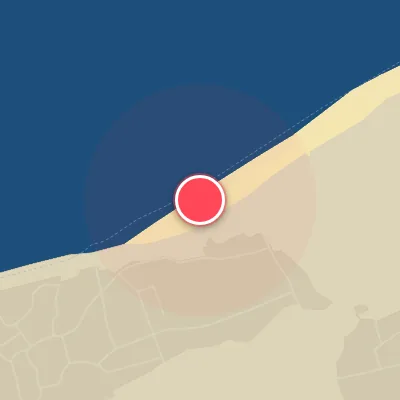

Today's Surf Conditions at St. Peter-Ording
Best Surf Season & Climatology
Best Surf Season (October - March)
St. Peter-Ording is a pure North Sea windswell set-up. Its west-facing sand beach sits directly in the firing line of short, punchy, west-to-east travelling windswell, but the same lows that create the surf usually blow the wind straight onshore. That makes every surf session a battle between swell size and surface quality, and the whole rhythm of the year is dictated by the North Atlantic storm track.
From October through March, the North Atlantic roars to life and St. Peter-Ording sees its most consistent, biggest surf of the year. Average swell heights reach 1.0-1.2m (3.3-4ft), with Janruary and December peaking at 1.2m (4ft). A significant share of waves push in at 1.5-2.5m (5-8ft) from the WSW-W-WNW-NW quadrant, and the average period stretches to 5.6-6.0s. These are still short-period, locally generated North Sea windswell rather than long-period Atlantic groundswell, but they are powerful enough to make the sandbars work. Positive NAO winters tend to deliver a conveyor belt of lows and more of this raw potential, while negative NAO blocks can leave the North Sea smaller and cleaner but much less consistent.
Detailed Surf Information for St. Peter-Ording
Detailed Surf Forecast
Access our detailed 8-day swell and wind forecast charts for St. Peter-Ording with tidal graphs, period ranges, and daily forecast text summaries.
Swell & Wind Statistics
Explore historical swell consistency, wave heights, and offshore wind windows month-by-month, compiled from over 40 years of data.
Historical Surf Report
Browse the historical database archives to view past wave reports and understand spot climatology during specific years and months.