Map
Map
Ikumi
Today's Surf Conditions at Ikumi
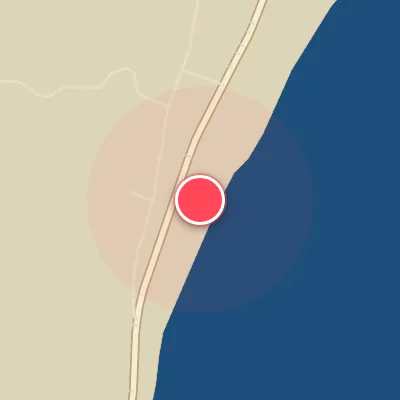
Spot Conditions Map
Hover over the hourly chart columns to update the wind & swell direction overlays on the map.
Today's Surf & Wind Forecast (Hourly)
Loading forecast text...
Spot Overview & Description
Stretching over two kilometers of golden sand, Ikumihama Beach is a beloved escape for Osaka surfers, many of whom catch the overnight ferry from Nanko to wake up to its mellow, welcoming waves. This sprawling shoreline offers plenty of room to stretch out before or after a session, with a relaxed vibe that makes it as much a place to hang as it is to surf. True to its reputation as a beginner’s haven, Ikumihama dishes up friendly, forgiving waves on east-swell energy. Handling swell sizes around two feet (0.6 meters), the sand-bottom breaks peel both left and right, offering consistent, rideable lines for those still finding their feet—or for anyone craving a low-key day on the water. The spot works best with a west wind, and the tide window is wide open: low, mid, and high all produce rideable conditions. Access is a breeze, with easy board rentals on-site so you can travel light and still get wet. The atmosphere is genuinely laid-back and welcoming to all levels—a solid spot to recharge, soak in the coastal calm, and score a few smooth rides, especially when you’ve got a long weekend ahead.
Best Surf Season & Climatology
Best Surf Season (October - March)
The heart of the surf season at Ikumi unfolds during the cooler months, driven by the strengthening of the Aleutian Low and the north Pacific storm track. From October through March, the island of Japan is repeatedly placed in the crosshairs of powerful extratropical cyclones, generating long-period groundswell that filters into the East China Sea and the Pacific. For Ikumi, this is when the swell window from the east-northeast to east-southeast (ENE, E, ESE) becomes most active, delivering the most consistent and sizeable surf of the year. October and November stand out as the peak months, with nearly half of all swell approaching from the optimal directions and average periods climbing above 9 seconds, setting the stage for powerful, well-defined lines. The primary hurdle is the wind. Strong northerly flow often accompanies these storms, creating onshore conditions. However, when a high-pressure system clears the skies and delivers a light offshore breeze from the SW to NW quadrant, Ikumi transforms into a world-class reef break. These windows, though sporadic (10-21% of the time), produce the most memorable sessions of the year. As winter deepens, the swell remains consistent but often shorter-period and more wind-affected, yet the potential for a strike mission remains high.
Fair Surf Season (April - May)
As the winter storm track retreats northward, the surf at Ikumi enters a transitional phase. April and May see a steady decline in the frequency of powerful east-northeast swell, with the dominant energy shifting to a more southerly and southeasterly direction. The average wave period drops below 8 seconds, indicating a more wind-driven, less powerful state. This is the season of the 'groveler' – where fun, rippable waves can be found, especially when a late-season storm brushes the coast or a strong front rotates in. The good news is that the spring wind pattern becomes much more favorable. The percentage of ideal offshore wind (from SW through W) jumps to 28% in April and 33% in May. This means the windows of clean, glassy conditions are more frequent and reliable. If you're willing to work with smaller, punchier surf (often 0.5-1.5m), spring offers the highest probability of uncrowded, offshore perfection. Just don't expect the power of winter.
Low Surf Season (June - September)
The summer months at Ikumi are dominated by the warm monsoon flow and the southward shift of the Pacific High. Swell direction becomes almost exclusively southerly (S, SSE, SE), which is far from ideal for the east-facing beach. These south swells are typically short-period (7-8 seconds), windswell generated by the Asian monsoon, and they struggle to wrap in with any consistency or power. The average wave height does reach its annual peak in August (1.1m), but these waves are often lumpy, messy, and lack the clean shoulder that makes Ikumi truly shine. There is a silver lining: the summer months boast the highest rates of offshore wind (36-47% of the time), as the predominant flow comes from the SW-W sector. This creates pristine, glassy conditions, but unfortunately, the swell quality rarely matches the wind quality. The result is often small, weak waves with a very short period that are best suited for longboards or funboards. The occasional typhoon can save the season, spinning up in the tropical Pacific and delivering a pulse of long-period south swell that can actually work on the beach, but these are rare. For the serious surfer, summer is a time to appreciate the rest day or explore other coastlines.
Detailed Surf Information for Ikumi
Detailed Surf Forecast
Access our detailed 8-day swell and wind forecast charts for Ikumi with tidal graphs, period ranges, and daily forecast text summaries.
Swell & Wind Statistics
Explore historical swell consistency, wave heights, and offshore wind windows month-by-month, compiled from over 40 years of data.
Historical Surf Report
Browse the historical database archives to view past wave reports and understand spot climatology during specific years and months.