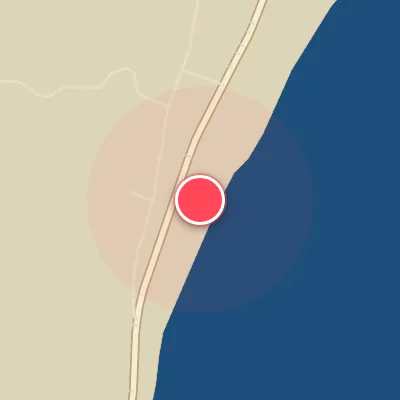
Map
Map
Ozaki
Today's Surf Conditions at Ozaki
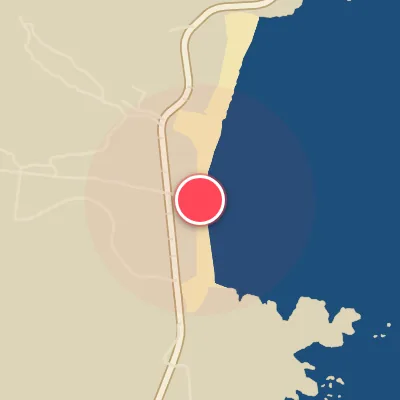
Spot Conditions Map
Hover over the hourly chart columns to update the wind & swell direction overlays on the map.
Today's Surf & Wind Forecast (Hourly)
Loading forecast text...
Spot Overview & Description
Osaki is a classic Japanese beach break that blends sandy stretches with boulder-strewn sections, offering a dynamic, user-friendly wave machine. When the stars align, this spot draws a steady crew from Osaka, especially on weekends, creating a lively yet laid-back atmosphere. Just be prepared to share the lineup when conditions fire. The magic happens on a southeast swell, which fires up consistent, peaky lines that peel both left and right—ideal for dialing in turns and trimming. With swell heights around 2 feet, the wave quality is surprisingly playful, making it a prime choice for beginners and intermediate surfers alike. Tides are forgiving: low to high works, though the shape can vary with the water level. The best wind is a clean westerly flow. Keep expectations in check—this isn’t a world-class standout, but when the conditions align, Osaki delivers fun, rippable waves with a friendly, local vibe. Osaki also handles infill from northeast and south swells, adding versatility for different swell windows, so you can often find a workable wave. It’s a solid call for a relaxed beach day with your board, but plan on sharing the waves when the forecast looks promising—especially on those glassy, peaky days.
Best Surf Season & Climatology
Best Surf Season (April - June & September - October)
Spring and autumn deliver the most promising combination of favorable swell direction and offshore wind windows at Ozaki. As the Pacific storm track begins to shift in April, the dominant Southeast swell builds into a solid, rideable range, while the frequency of offshore winds from the west and northwest increases. May is a standout month, with a notable jump in ideal wind conditions (up to 23% of the time) and a healthy share of Southeast swell in the 0.5-1.5m range. June continues the trend, though local sea breezes often kick in by midday. The autumn months of September and October see a resurgence of long-period Southeast and East-Southeast swell, driven by early-season typhoons and strengthening extratropical lows. While the wind is less consistent than in spring, the quality of the surf when the stars align – clean, lined-up Southeast groundswell with light offshore flow – is unmatched. This is the window to plan your trip for maximum potential.
Fair Surf Season (March & July - August & November)
March marks the transitional shift out of winter, with the average swell height nudging upward and offshore wind chances improving to 11%. However, the swell mix is often a messy combination of short-period east and southeast windswell, keeping wave quality inconsistent. The summer months of July and August see the highest percentage of offshore wind windows – up to 30% in July – due to a persistent thermal low driving afternoon sea breezes and a more stable westerly flow in the mornings. Yet, the swell direction shifts almost exclusively to south and south-southwest, which are less than optimal for Ozaki's east-southeast facing beach. Waves become more crumbly and less organized, though occasionally a long-period southern hemi swell can produce punchy, fun-sized waves. November offers a similar story to March: declining swell energy and a return to easterly swell dominance, but the offshore wind frequency holds at 12%, making for a few glassy sessions between winter storms.
Low Surf Season (December - February)
The height of winter is the least reliable time for quality surf at Ozaki. Average swell heights hover around 0.6-0.7m, and the wave period, while often in the 8-9 second range, is frequently chopped by strong onshore winds from the north-northeast. The offshore wind window (west to northwest) is present but only 6-10% of the time, and those rare clean days are often accompanied by small, weak swell. The dominant swell directions shift to east and east-southeast, which are directly onshore, ruining shape. Persistent high-pressure systems over Siberia drive cold northwesterly winds that often blow too hard (20-40 km/h), either destroying the surface or creating an onshore cross-wind. For the dedicated surfer, patience is key: the occasional long-period eastern swell can sneak through during a brief high-pressure ridge, offering a few makeable, if small, waves. But this is the season of groveling and chasing micro-sessions.
Detailed Surf Information for Ozaki
Detailed Surf Forecast
Access our detailed 8-day swell and wind forecast charts for Ozaki with tidal graphs, period ranges, and daily forecast text summaries.
Swell & Wind Statistics
Explore historical swell consistency, wave heights, and offshore wind windows month-by-month, compiled from over 40 years of data.
Historical Surf Report
Browse the historical database archives to view past wave reports and understand spot climatology during specific years and months.