Map
Map
Juno Pier
Today's Surf Conditions at Juno Pier
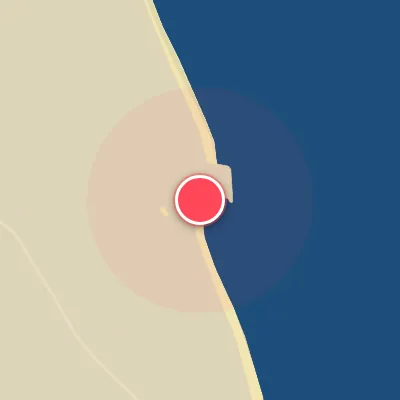
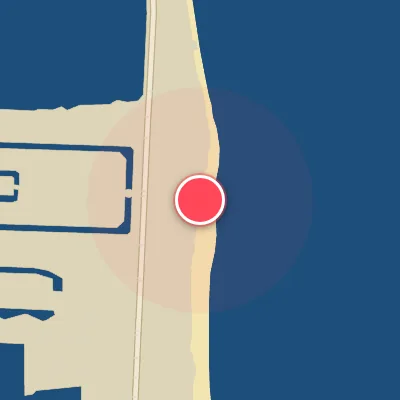
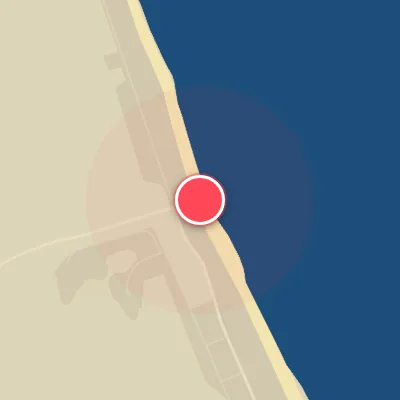
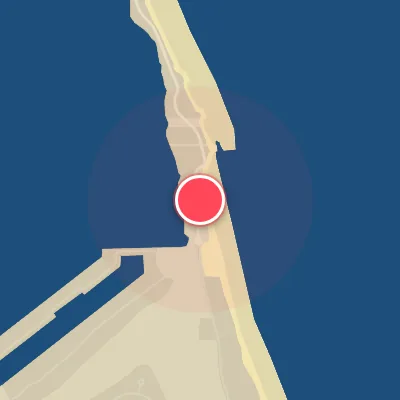
Spot Conditions Map
Hover over the hourly chart columns to update the wind & swell direction overlays on the map.
Today's Surf & Wind Forecast (Hourly)
Loading forecast text...
Spot Overview & Description
Juno Pier delivers a classic Florida beachbreak experience, anchored by a 1,100-foot pier that works with shifting sandbars to produce consistent lefts and rights. This stretch of sand-bottom surf is the most reliable in north Palm Beach County, offering a dependable option when other spots go quiet. When the swell hits head-high, the waves line up with a controlled, punchy rhythm, and a steep, fast inside section fires off when there’s enough push behind the swell. Head north toward Jupiter Inlet and you’ll find seven miles of open beachbreak with easy access, including the well-known Corners section, making the entire corridor a versatile playground for any skill level.
Best Surf Season & Climatology
Best Surf Season (October - March)
The North Atlantic’s winter fury transforms Juno Pier into a reliable destination for solid, powerful swell. From October through March, average wave heights hover around 1.2-1.3m with periods frequently pushing into the 8-9 second range, providing punchy, rideable waves. The dominant swell directions shift to the optimal NE, ENE, and E quadrants, fed by a parade of extratropical cyclones tracking across the Atlantic. While onshore winds from the east and northeast are common (especially during storm passages), the offshore W to SW flow that develops behind cold fronts can create clean, lined-up conditions. This season offers the highest percentage of ridable days, though you’ll need patience for the right wind window. When the timing aligns, expect fun 1-1.5m waves that can easily reach pumping 1.5-2m+ during stronger systems.
Fair Surf Season (April & September)
April and September act as transitional months, bridging the winter chill and summer doldrums. Swell heights average around 1.0m with periods of 7.8-8.2s, offering intermittent windows of decent surf. The spring and fall equinoxes bring more variable jet stream patterns, generating occasional solid NE swells. However, the wind dynamics become trickier: April sees a notable increase in SE onshore flow, while September benefits from the early onset of winter-type low-pressure tracks. Don’t expect consistency, but when a cold front sweeps through with a west wind, the pier can deliver surprisingly good, rippable waves, especially in the 1-1.5m range.
Low Surf Season (May - August)
Summer at Juno Pier is a flat and frustrating period for wave enthusiasts. From May through August, average swell heights plummet to a paltry 0.6-0.9m, periods drop to a sluggish 6-7 seconds, and the wind is only ideal 13-17% of the time. The dominant swell energy comes from the E and ESE, which are not only weaker but also often accompanied by onshore breezes that turn the sea into a choppy mess. The Atlantic high-pressure system parks itself over the region, driving persistent trade winds that ruin wave quality. Even when a rare tropical system or distant hurricane sends a pulse of long-period swell, the accompanying wind patterns rarely cooperate. For most surfers, this is a time for refining your pop-up on a longboard or exploring other activities. The handful of rideable days come from unexpected SW wind shifts or distant storms; otherwise, it’s a waiting game for autumn’s return.
Detailed Surf Information for Juno Pier
Detailed Surf Forecast
Access our detailed 8-day swell and wind forecast charts for Juno Pier with tidal graphs, period ranges, and daily forecast text summaries.
Swell & Wind Statistics
Explore historical swell consistency, wave heights, and offshore wind windows month-by-month, compiled from over 40 years of data.
Historical Surf Report
Browse the historical database archives to view past wave reports and understand spot climatology during specific years and months.