Map
Map
Jupiter Inlet
Today's Surf Conditions at Jupiter Inlet
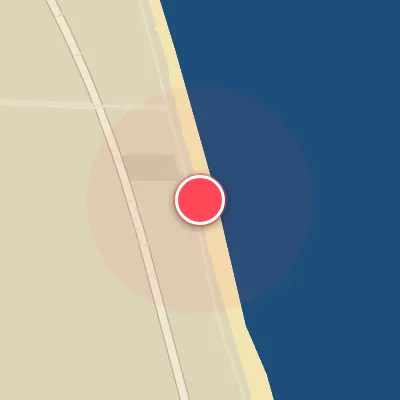
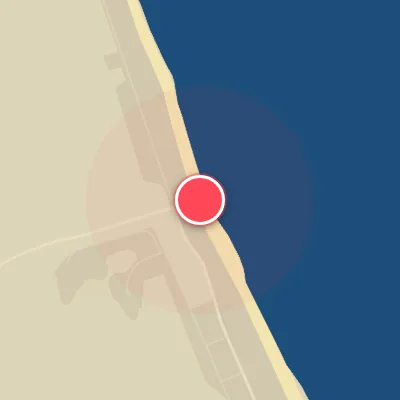
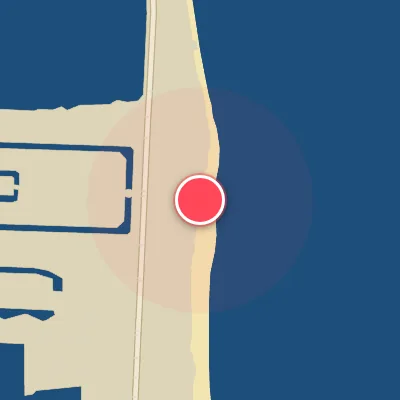
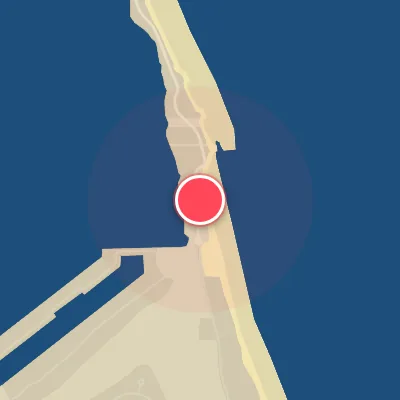
Spot Conditions Map
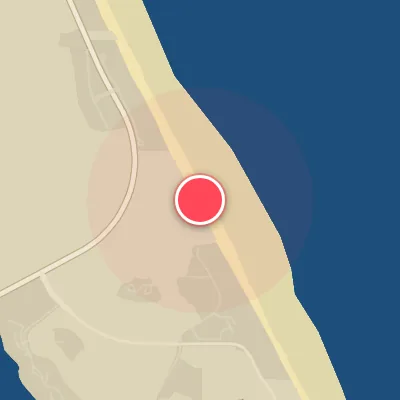
Hover over the hourly chart columns to update the wind & swell direction overlays on the map.
Today's Surf & Wind Forecast (Hourly)
Loading forecast text...
Spot Overview & Description
Jupiter Inlet South Jetty stands as a benchmark break along Palm Beach County’s coast, where shifting sandbars stretch between the inlet and Juno Beach Pier. The wave breaks over sand, offering an inside peak that comes to life on smaller swells, while a deeper, way-out-back peak fires on larger east swells. It’s the outside right that earns the inlet its fame—a wave that wraps toward the jetty with fast, hollow sections, delivering a true performance wave when conditions align. A respectable left also peels off the main outside peak, adding versatility to the lineup. This spot rewards intermediate to advanced surfers who can navigate the shifting peaks and crowd, with an east swell delivering the goods. Best at mid- to low tide when the bars shape up, and clean under light west or northwest winds.
Best Surf Season & Climatology
Best Surf Season (November - March)
The winter months deliver the most consistent combination of quality swell and favourable offshore winds along the Jupiter Inlet. As the polar jet stream dips south, intensifying low-pressure systems track across the US and spin up long-period NE swells. Combined with cold fronts that usher in crisp offshore winds from the NW to WSW, the surf can turn on during these months. The average wave height sits around 1.2m with periods often in the 7-8s range, but occasional larger events push into the 1.5-2.5m range, delivering pumping conditions. Expect peak surf in January and February when ideal wind percentages are highest.
Fair Surf Season (April & September-October)
During these transitional months, swell energy remains decent but the wind patterns become less reliable. April sees the tail end of winter swell trains with NE swells still frequent, but the increasing influence of high pressure brings more onshore E winds, dropping the ideal wind frequency to around 16%. Similarly, September and October benefit from the early North Atlantic storm season and the tail of hurricane season, producing powerful, long-period swell from the NE and ENE (average 1.0-1.2m and 8.2s periods). However, the wind often clocks around to the east, making conditions more challenging. Still, when a post-frontal westerly aligns with a solid swell, the Inlet can absolutely fire.
Low Surf Season (May - August)
Summer brings the doldrums to Jupiter Inlet. The average wave height drops to just 0.6m with short periods around 6-7s, translating to small, weak surf. The prevailing wind is from the E to SE (onshore), which combined with low energy, often leaves the lineup choppy and messy. Ideal wind conditions occur only 8-12% of the time. During these months, the surf is typically marginal at best, though an occasional tropical system or late-season trade swell can generate a brief pulse of decent waves. Most days, you'll find small, groveling waves on the inside sandbars.
Detailed Surf Information for Jupiter Inlet
Detailed Surf Forecast
Access our detailed 8-day swell and wind forecast charts for Jupiter Inlet with tidal graphs, period ranges, and daily forecast text summaries.
Swell & Wind Statistics
Explore historical swell consistency, wave heights, and offshore wind windows month-by-month, compiled from over 40 years of data.
Historical Surf Report
Browse the historical database archives to view past wave reports and understand spot climatology during specific years and months.