Map
Map
Long Beach
Today's Surf Conditions at Long Beach
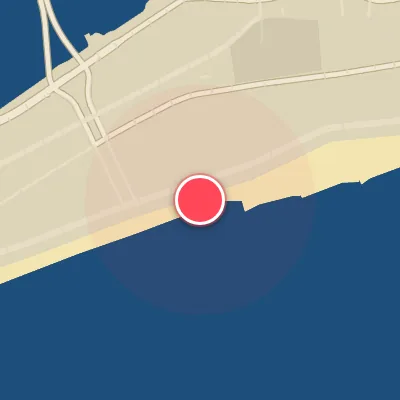
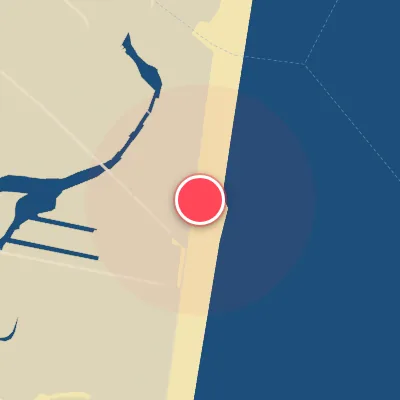
Spot Conditions Map
Hover over the hourly chart columns to update the wind & swell direction overlays on the map.
Today's Surf & Wind Forecast (Hourly)
Loading forecast text...
Spot Overview & Description
Lincoln Blvd serves up a classic sand-bottom beachbreak, with lefts and rights sculpted by the jetties that define Long Beach’s shoreline. The lefts consistently outshine the rights, offering a more dynamic ride, especially when a good swell rolls in. At its best, the sandbars peak up with pushy, roping lefts that race off the jetty, delivering a fun, punchy wave that keeps you on your toes.
Best Surf Season & Climatology
Best Surf Season (October - March)
Winter and early spring deliver the most consistent and powerful surf to Long Beach. As the North Pacific storm track ramps up, frequent extratropical cyclones generate healthy S and SSW swell trains that march straight into the south-facing beach. Offshore winds from the N, NNW, and NW peak during these months, often grooming the waves to perfection. Average wave heights hover in the 1.3-1.5m range with periods around 7-7.6s – solid, punchy, and very rideable. When a deep low-pressure system aligns just right, we see 2m+ swell with 10-14s periods, turning the lineup into a genuine pumping session. This is the window to circle on the calendar.
Fair Surf Season (April, May, September)
The shoulder months offer a mixed bag. April and May still pick up decent S and SW groundswell, but the wind regimes become more fickle – the reliable NW offshore breeze gets interrupted by onshore S and SSW flow that can chop things up. Average heights drop to 1.1-1.3m with periods around 7.3-7.5s, still fun but less consistent. September stands out as a sleeper: average swell height bumps back up to 1.2m and the average wave period climbs to 8.4s – the highest of the year. Offshore wind frequencies also hit their peak (31% ideal), meaning cleaner conditions are more likely. Look for those early autumn cold fronts to deliver long-period SE to S swell with glassy mornings.
Low Surf Season (June - August)
Summer is the quietest stretch for Long Beach. The dominant swell shifts to short-period SE and E windswell from the tropics and the North Atlantic ridge, which rarely packs enough punch for the south-facing beach. Average wave heights shrink to 0.9-1.0m and periods drop to 7.0-7.6s – mostly small, groveling waves. On top of that, the wind clocks around into the S and SSW quadrant over 30% of the time, creating bumpy, onshore conditions. While the occasional distant hurricane or trade-wind pulse can deliver a fun day, you'll have to work for it. If you're chasing quality, summer is best spent elsewhere or at dawn when the sea breeze is weakest.
Detailed Surf Information for Long Beach
Detailed Surf Forecast
Access our detailed 8-day swell and wind forecast charts for Long Beach with tidal graphs, period ranges, and daily forecast text summaries.
Swell & Wind Statistics
Explore historical swell consistency, wave heights, and offshore wind windows month-by-month, compiled from over 40 years of data.
Historical Surf Report
Browse the historical database archives to view past wave reports and understand spot climatology during specific years and months.