Map
Map
Luz
Today's Surf Conditions at Luz
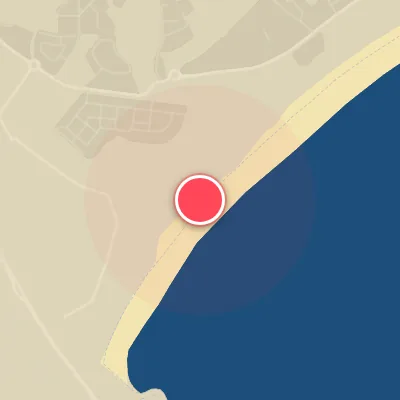
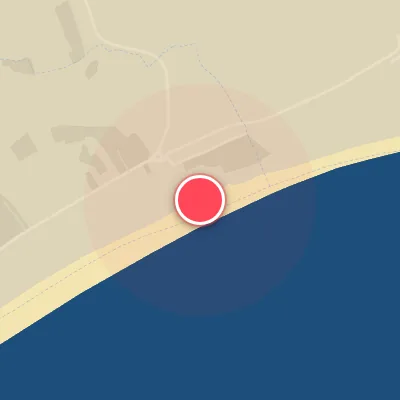
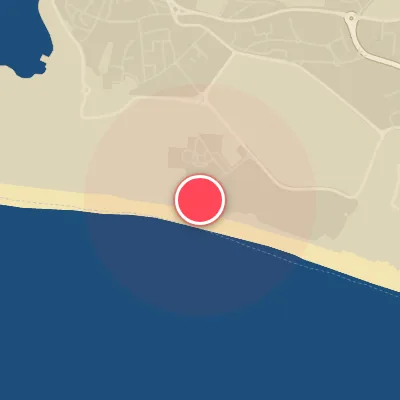
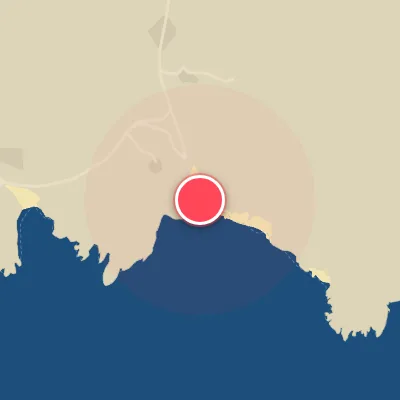
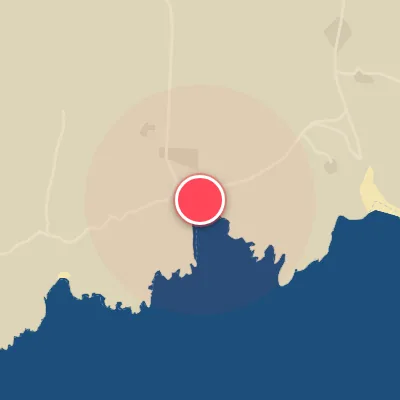
Spot Conditions Map
Hover over the hourly chart columns to update the wind & swell direction overlays on the map.
Today's Surf & Wind Forecast (Hourly)
Loading forecast text...
Spot Overview & Description
Tucked into the whitewashed charm of a classic Algarve holiday village, Praia da Luz is a sweeping sandy bay flanked by two distinct point breaks. On the western edge, Rocha Negra peels right over a sloping reef, offering long, fast walls that serve as the more forgiving option for intermediate and above surfers. The eastern point, by contrast, is a shallow, zippy left that demands quick reflexes and a willingness to get pitted over rock. At the center of the bay, a small rivermouth can occasionally sculpt a fun sandbank, but it comes with a dirty secret—stormwater runoff and pollution are common after rain, so keep an eye on local water quality. The seafloor is a mix of sand and rock, with both points breaking directly over jagged stone. Cleanest under a moderate NW swell and low-to-mid tide, this setup rewards those who pick their window with care.
Best Surf Season & Climatology
Best Surf Season (October - March)
The North Atlantic flexes its muscles during this half of the year, delivering the biggest and most consistent swell to the Algarve coast. Average wave heights hover between 1.8m and 2.4m, with periods regularly exceeding 11 seconds — often reaching the 12-13s range, which brings powerful, well-organised lines. The key for Luz is the alignment of swell direction: while the dominant fetch remains from the NW quadrant (wrapping around the coast but not ideal for this south-facing pocket), the real magic happens when deep Atlantic lows track further south, spinning up S, SE, SSE, or SSW swell. When these combine with a high-pressure ridge over the Bay of Biscay, offshore northerly winds (N, NNE, NW, NNW) often set in, creating glassy, hollow conditions. Wind and swell alignment is optimal roughly 33-41% of the time, so patience and careful forecast watching are rewarded with some of the best waves of the year.
Fair Surf Season (April, May & September)
Transitional months bring a noticeable drop in average swell size (1.5-1.9m) and period (9.8-11.1s), as the main storm tracks shift northward. However, the mix of lingering winter lows and the first summer sea breezes can produce excellent sessions. September stands out with a wind ideal percentage of 46% — the highest of any month — as the Azores High begins to build and the trade-wind regime takes hold. Swell directions are still predominantly from the NW, but occasional easterly pulses and the infrequent south-westerly groundswell offer variety. Expect a lower chance of true pumping days, but a higher probability of clean, rippable waves when the right window opens.
Low Surf Season (June - August)
Summer in the Algarve is ruled by the Azores High, which pushes the Atlantic storm track far to the north. As a result, average swell heights drop to just 1.4m and periods shorten to 8-9 seconds — enough for a shortboard or groveler, but rarely packing the power needed to make Luz really stand out. The wind tends to clock around the coast, with the dominant offshore flow from N and NW still present roughly 30-34% of the time, which keeps surface conditions clean. However, the swell is overwhelmingly from the NW and NNW — directions that offer minimal penetration into this south-facing bay. What little swell does arrive is often of the short, windswell variety, creating small, choppy conditions that demand a bigger board and lowered expectations. The occasional south or south-east swell from a rogue tropical storm or cut-off low can provide brief highlights, but these are rare.
Detailed Surf Information for Luz
Detailed Surf Forecast
Access our detailed 8-day swell and wind forecast charts for Luz with tidal graphs, period ranges, and daily forecast text summaries.
Swell & Wind Statistics
Explore historical swell consistency, wave heights, and offshore wind windows month-by-month, compiled from over 40 years of data.
Historical Surf Report
Browse the historical database archives to view past wave reports and understand spot climatology during specific years and months.