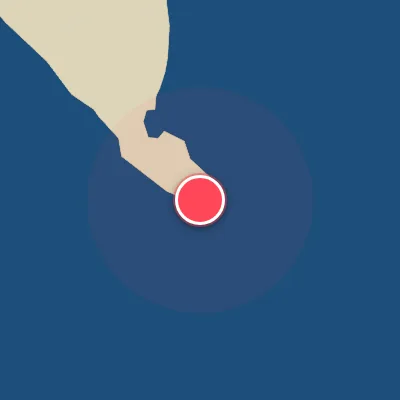

Today's Surf Conditions at Blue Bowls
Spot Overview & Description
Tucked deep inside the pass, Blue Bowls serves up a right-hander with a distinct point break character, offering riders a generous running length and plenty of section to link turns. When the trade winds shift southwest to west, this reef setup comes alive, making it a versatile fallback for surfers chasing a performance-friendly wave in varied conditions. Best suited for the intermediate surfer, Blue Bowls starts to show its potential once the swell pushes past 3 feet (0.9 meters). It welcomes groundswell from the southeast and southwest, with the southeast angle proving most reliable. The wave breaks over dead coral, lending a unique, snappy feel underfoot, and it adapts well across all tide stages—low, mid, and high—though it truly shines with a west wind grooming the face. For those craving a mix of reef-break texture and forgiving wave shapes, this spot delivers an engaging challenge with plenty of fun on tap.
Best Surf Season & Climatology
Best Surf Season (March - April)
Blue Bowls faces east-southeast, which makes it a classic monsoon-driven reef break in the Maldives. The surf year really comes alive during the March-April transition, when the northeast monsoon trades collapse and the southwest monsoon begins to breathe. Offshore flow from WSW through NW is at its most reliable, with ideal conditions 51% of the time in March and 61% in April. Swell periods climb to 11.3-11.6s, and although the dominant swell direction shifts to the SSE/S quadrant, this south-groundswell energy refracts around the atoll and unloads on the ESE-facing reef. Expect clean, rippable 3-5ft (1-1.5m) surf with occasional bigger pulses - this is the most consistent window for genuinely good Blue Bowls.
Detailed Surf Information for Blue Bowls
Detailed Surf Forecast
Access our detailed 8-day swell and wind forecast charts for Blue Bowls with tidal graphs, period ranges, and daily forecast text summaries.
Swell & Wind Statistics
Explore historical swell consistency, wave heights, and offshore wind windows month-by-month, compiled from over 40 years of data.
Historical Surf Report
Browse the historical database archives to view past wave reports and understand spot climatology during specific years and months.