- Home
- ...Asia
 Philippines
- Cauit Point
Today's Surf Conditions at Cauit Point
Spot Overview & Description
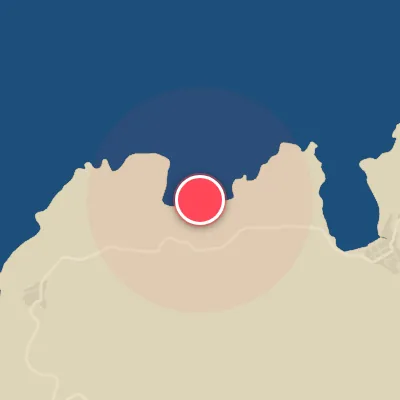
Perched at the tip of a remote cape, Cauit Point earns its reputation as a swell magnet—a hidden gem that demands a boat ride and a spirit of adventure to unlock its rewards. The journey can be a bit of a puzzle for the uninitiated, but for those willing to chase the tradeoff, it serves up playful, workable waves that make the effort worthwhile. Just know that conditions here can be fickle; it is not always firing, but when all the pieces align, the payoff is genuinely fun. The wave peels predominantly to the left over a reef, offering a clean, rippable canvas best suited for intermediate surfers looking to sharpen their turns. It thrives on a clean, small swell—north or east direction preferred—handling waves in the 2-foot (0.6-meter) range with surprising efficiency. The west wind is your key to unlocking the best shape; a light offshore breeze cleans up the face for smoother rides. Tidal range runs the gamut—low, mid, or high can all produce, though the magic truly happens when the right combination of swell and wind clicks into place. Because of its off-the-grid location, Cauit Point typically flies under the radar, attracting a smaller crew and leaving more waves up for grabs. But do not show up blind—check the latest conditions before you commit to the crossing, and if it is your first venture out, tag along with someone who knows the ins and outs of this spot. Local knowledge can be the difference between a session to remember and a swing and a miss.
Best Surf Season & Climatology
Best Surf Season (October - March)
From October through March, Cauit Point is locked into the northern hemisphere winter pattern. The Siberian High pumps strong northeast trade winds into the Philippine Sea, setting up a sustained fetch that delivers the most consistent NE and ENE swell of the year. Average surf heights climb from 0.7m (2-3ft) in October to a peak of 1.3m (4-5ft) in January, with periods settling into the 9-10s range - punchy, rideable surf with occasional longer-period groundswell when mid-latitude fronts or tropical systems inject extra energy. The catch: the Amihan blows from the same NE-ENE quarter that the swell comes from, so wind quality is often poor. The best sessions happen when a west to southwest offshore flow sets up, grooming the often cross-onshore NE lines into clean, rippable walls. October and November are the real sweet spots within this window because they combine solid swell with a much higher percentage of ideal offshore wind.
Detailed Surf Information for Cauit Point
Detailed Surf Forecast
Access our detailed 8-day swell and wind forecast charts for Cauit Point with tidal graphs, period ranges, and daily forecast text summaries.
Swell & Wind Statistics
Explore historical swell consistency, wave heights, and offshore wind windows month-by-month, compiled from over 40 years of data.
Historical Surf Report
Browse the historical database archives to view past wave reports and understand spot climatology during specific years and months.