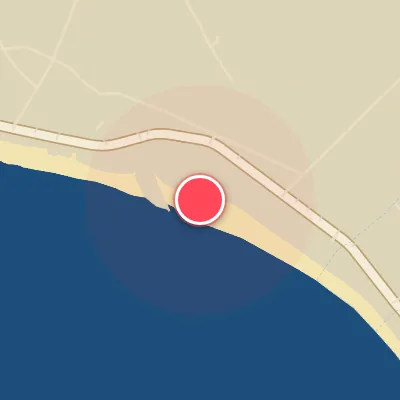
Map
Map
Taito
Today's Surf Conditions at Taito
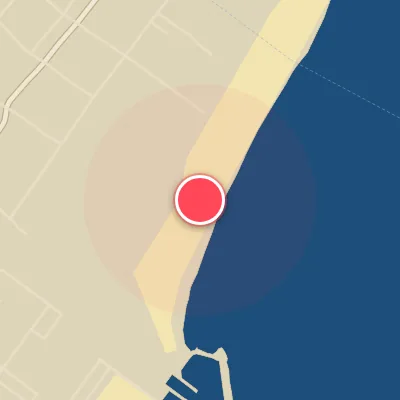
Spot Conditions Map
Hover over the hourly chart columns to update the wind & swell direction overlays on the map.
Today's Surf & Wind Forecast (Hourly)
Loading forecast text...
Spot Overview & Description
Taito delivers a classic, user-friendly beach break that’s as inviting as it is consistent, making it a go-to for surfers of all stripes, especially those finding their footing. The setup is a right-hand jetty break that lights up best with southeast swell, though northeast and south pulses also get the job done. Swell starts to roll in from around 1 foot, and when it pushes overhead, the wave face steepens and picks up speed for a more thrilling ride. The sandy bottom keeps things forgiving, ideal for learning the ropes without too much consequence. Conditions clean up nicely with a southwest wind, and the break handles low, mid, and high tides with equal grace, offering plenty of flexibility for your session. Expect company in the lineup. Taito draws a crowd, particularly when smaller northeast to southeast swells roll through—but the vibe stays laid-back, with longboarders and shortboarders alike sharing the stoke. The channel alongside the tetrapods provides a convenient exit, perfect for a quick breather or wrapping up your session. Whether you’re working on your pop-up or just want a mellow wave with friends, Taito has a spot for you.
Best Surf Season & Climatology
Best Surf Season (October - March)
The winter half-year delivers the most consistent swell at Taito. As the Aleutian Low strengthens and cold fronts push across the North Pacific, we see a marked increase in long-period groundswell from the NE through E quadrants. The average wave period climbs above 9 seconds, often peaking in the 9.5s range during January and December, producing punchy to powerful waves. While the predominant winds blow from the N and NE – onshore for this ENE-facing beach – the percentage of optimal offshore flow from SSW through W remains low (16–20%). However, when a high-pressure system sets up over the Sea of Japan, light to moderate westerlies can align perfectly with the incoming NE swell, turning Taito into a clean, hollow peak. The average swell height hovers around 1.2–1.4 m, meaning waves are consistently in the fun-sized to solid range. The key is patience: waiting for those windows of offshore wind often yields the best surf of the year.
Fair Surf Season (April & September)
April and September represent transitional months where the swell source shifts. In April, the North Pacific storm track becomes less active; swell heights drop slightly to 1.3 m and period shortens to 8.6s. The dominant swell direction rotates to E and SE, with a notable increase in ESE swell (17.6%). This means more waves wrap around from the south, offering rideable but less powerful surf. Offshore wind odds improve to 24% in April, with frequent light to moderate SSW and SW winds creating clean conditions. September sees a return of better-defined E/ENE swell (13.8% ENE, 25.2% E) as early autumn storms begin to form, and the average period recovers to 9.1s. However, onshore NE winds still dominate (19.3% of the time), limiting clean surf to around 22% of the month. Both months offer decent chances for fun, rippable waves when the wind cooperates, making them a bridge between the low and high seasons.
Low Surf Season (May - August)
From May through August, Taito experiences its weakest surf conditions. The summer monsoon and stable subtropical high-pressure systems prevail, pushing the dominant swell direction to the SE and SSE quadrants. This orientation is far from optimal for the ENE-facing beach, resulting in small, weak waves that often wrap in with little power. Average swell height drops to 1.1–1.2 m, and period dips to 8.0–8.4s – borderline average to choppy. Although offshore wind odds peak during this period (29–37% from SSW/SW), the lack of groundswell from the N through E directions means the waves are often too small or messy. Summer days can deliver fun-sized, groveling conditions on a rare good swell, but generally, this is the time to explore other spots or enjoy the warm water with a longboard. The best bet is to watch for typhoon swells that can swing around from the east, though they are infrequent and often accompanied by strong onshore winds.
Detailed Surf Information for Taito
Detailed Surf Forecast
Access our detailed 8-day swell and wind forecast charts for Taito with tidal graphs, period ranges, and daily forecast text summaries.
Swell & Wind Statistics
Explore historical swell consistency, wave heights, and offshore wind windows month-by-month, compiled from over 40 years of data.
Historical Surf Report
Browse the historical database archives to view past wave reports and understand spot climatology during specific years and months.