Map
Map
Tuncurry Breakwall
Today's Surf Conditions at Tuncurry Breakwall
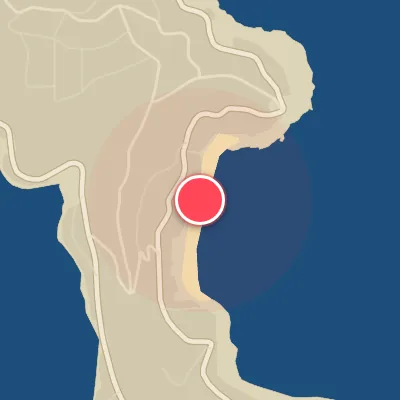
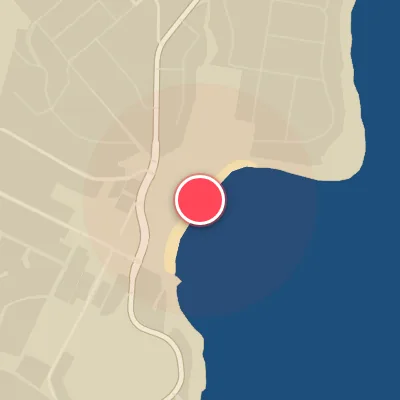
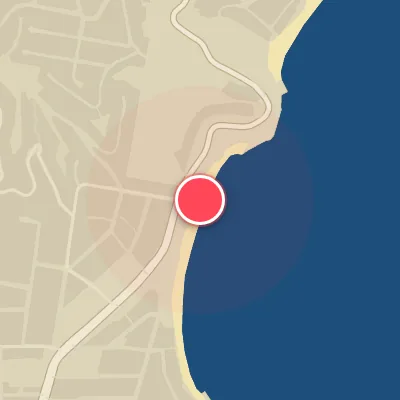
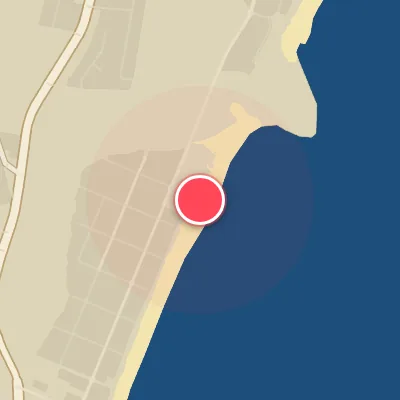
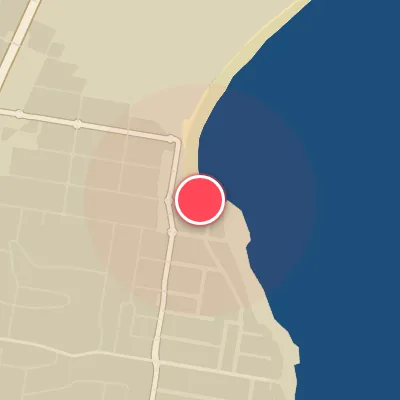
Spot Conditions Map
Hover over the hourly chart columns to update the wind & swell direction overlays on the map.
Today's Surf & Wind Forecast (Hourly)
Loading forecast text...
Spot Overview & Description
Tuncurry sits at the mouth of Wallis Lake, a vibrant hub where the local surf culture runs deep and the lineup is a mix of salty regulars and wide-eyed visitors. The breakwall has become the go‑to zone when a decent NE swell rolls in, but don’t get too comfortable—wave quality evolves quickly as you move north along the beach. The sandbars here produce fun, peeling rights, and occasionally a few lefts will pop across the channel, keeping things interesting. Optimal swell direction is northeast, and the spot wakes up with as little as 1 foot (0.3 metres) of energy. Tide? You’re in luck—low, mid, and high all have their moments, so check the banks. The preferred wind is from the southwest, which cleans up the surface nicely. That said, Tuncurry leans intermediate; the shifting conditions demand some experience under your belt before you paddle into the mix. Many surfers choose to launch from the lake side, but beware of outgoing rips and stray fin tips in the crowd. The environment shifts as you navigate the area, so stay alert and read the water. When the swell aligns, Tuncurry delivers a solid session—know the rhythms, and you’ll leave with a grin.
Best Surf Season & Climatology
Best Surf Season (April - September)
As autumn deepens and winter sets in, the Tasman Sea truly awakens. From April through September, a climatological shift brings a surge in long-period swell (averaging 9.0–9.8s) and a dramatic increase in favourable offshore winds from the west and southwest. The percentage of ideal wind days skyrockets from 38% in April to a peak of 50% in June, thanks to persistent high-pressure systems tracking south, funnelling clean westerly air across the coast. Swell heights hold steady in the fun to pumping 1.5–2.5m range, with the majority arriving from the southeast to south quadrant – not the spot's absolute optimum, but the excellent wind quality and consistent power make this the premium window for groomed, hollow waves at the Break wall.
Fair Surf Season (March & October)
March and October serve as transitional bookends where the ocean is still figuring out its mood. March sees a solid 9.3s average period and 23% ideal wind, with a swell mix shifting from summer east-northeast pulses to more southerly groundswell. October, meanwhile, offers a 25% chance of offshore breeze, but the period dips to 8.7s as the swell becomes more windswell-dominant due to early-season synoptic patterns. Both months deliver rideable waves, but you'll need to pick your windows carefully – the quality is inconsistent and often marred by onshore northeasterly sea breezes.
Low Surf Season (November - February)
The summer months from November through February are dominated by the subtropical ridge, parking persistent north-easterly trade winds along the New South Wales coast. Ideal offshore wind drops to a mere 16–20%, while onshore breezes from the NNE and NE ruin wave quality for over 70% of the time. Although the swell direction is actually optimal – with a strong component from NE, ENE and E – the accompanying short-period (8.3–8.9s) and constant chop make for mostly messy, groveling conditions. Occasional longer-period pulses can sneak through during synoptic breaks, but expect more flat spells and blown-out surf than clean reeling lines.
Detailed Surf Information for Tuncurry Breakwall
Detailed Surf Forecast
Access our detailed 8-day swell and wind forecast charts for Tuncurry Breakwall with tidal graphs, period ranges, and daily forecast text summaries.
Swell & Wind Statistics
Explore historical swell consistency, wave heights, and offshore wind windows month-by-month, compiled from over 40 years of data.
Historical Surf Report
Browse the historical database archives to view past wave reports and understand spot climatology during specific years and months.