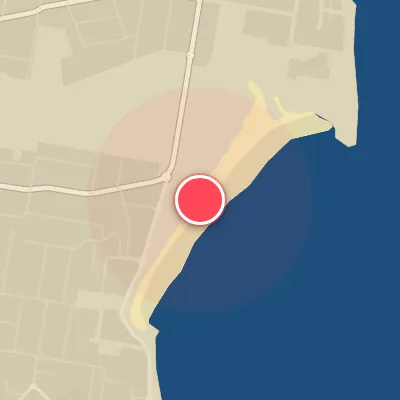
Map
Map
Whale Beach
Today's Surf Conditions at Whale Beach
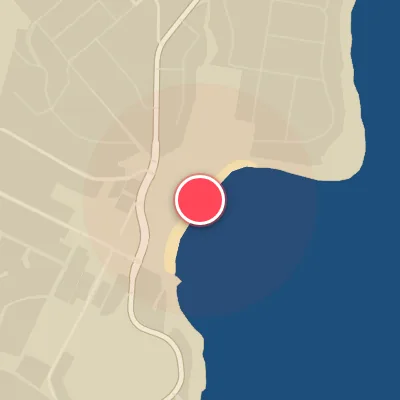
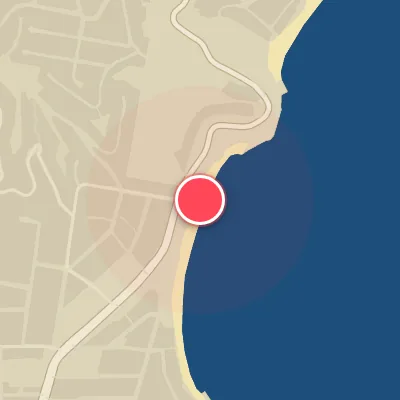
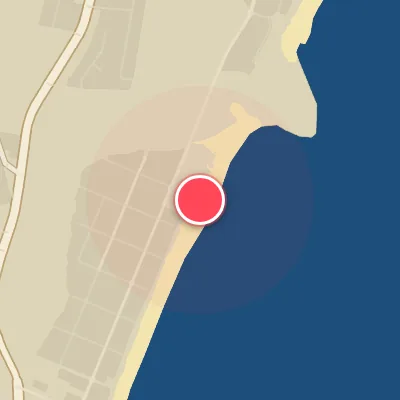
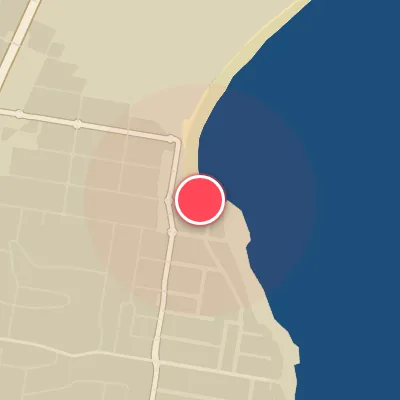
Spot Conditions Map
Hover over the hourly chart columns to update the wind & swell direction overlays on the map.
Today's Surf & Wind Forecast (Hourly)
Loading forecast text...
Spot Overview & Description
Whale Beach is a picturesque jewel on Sydney’s northern beaches, offering a serene stretch of golden sand that belies its more demanding surf personality. While the beach itself exudes a relaxed, laid-back vibe, a secret weapon lies hidden at its northern extremity: the Wedge. This fickle, high-performance zone is where Whale Beach truly earns its reputation, delivering short, punchy lefts that demand respect and sharp reflexes. The surf here wakes up on a northeast swell, with waves peeling over both sand and reef. The Wedge fires on a clean 1-foot baseline, but don’t let the size fool you—these lefts are intense, steep, and quick, built for experts who can handle a high-risk, high-reward barrel. For those seeking a less punishing ride, the beach’s righthanders offer a more forgiving alternative, especially when any south component sneaks into the swell. Optimal conditions align with low to mid tide and a light northwest wind, grooming the waves into tidy, hollow lines. Summer brings a caveat: northeast winds that usher in bluebottle jellyfish, so keep an eye on the water and your wetsuit coverage. And be ready for the occasional bodyslam—the Wedge doesn’t give up its gems without a fight. Whale Beach is a beauty with a bite, rewarding those who come prepared.
Best Surf Season & Climatology
Best Surf Season (May - August)
Winter in Australia brings a consistent stream of powerful, long-period swell from the East-North-East through Southeast quadrants, with average wave periods climbing to 9.5 seconds. This is the sweet spot for Whale Beach's east-facing setup. The Tasman Sea becomes a well-oiled machine, churning out clean lines as strong high-pressure systems park themselves south of the continent, generating cool, offshore winds from the WSW to NW. With ideal wind frequencies peaking above 55% (topping out at 62% in July), you can expect plenty of glassy mornings and groomed faces. Swell heights sit consistently in the 1-1.5m fun-to-solid range, with a healthy dose of 1.5-2.5m pumping days when low-pressure systems deepen off the south coast. This is prime time for Whale Beach – think clean, rippable walls without the summer crowds.
Fair Surf Season (April & September - October)
April and September act as the transition doors between distinct regimes. In April, autumn's lingering low-pressure troughs still deliver reliable ENE to SSE swell, but the average period ticks up to 9.2s as winter approaches. The biggest upgrade is the offshore wind window – ideal wind frequency jumps to 41%, meaning more dawn patrol sessions with groomed conditions before the sea breeze kicks in. September and October see the winter machine winding down: swell periods drop back to 8.5-8.9s and heights soften slightly, but the SE to SSE component remains dominant. Wind consistency is decent (34-47% ideal), though afternoons can get a bit of a northeasterly whiff. These months offer solid surf, especially when a late-season Tasman low lines up with a high-pressure system – you'll get punchy, lined-up waves that hold their shape well.
Low Surf Season (November - March)
Summer in the Southern Hemisphere is Whale Beach's toughest period for quality surf. The dominant swell shifts to a more northerly influence, with NE to E pulses often taking over, but the average period hovers around 8.1-8.2s – plenty of chop and inconsistency. The real killer is the wind: the prevailing NE to SE sea breeze is onshore for this east-facing beach, ruining wave shape. Ideal wind frequency plummets to a meager 17-21% from December to February. Combine that with smaller average swell heights (still 1.3-1.4m) and you're often looking at groveling conditions. However, the rare east coast low can fire up some punchy ENE to SE swell with longer periods, especially in March when ideal wind jumps slightly to 26%. If you time it right, you can score a fun session, but consistency is low – patience is key.
Detailed Surf Information for Whale Beach
Detailed Surf Forecast
Access our detailed 8-day swell and wind forecast charts for Whale Beach with tidal graphs, period ranges, and daily forecast text summaries.
Swell & Wind Statistics
Explore historical swell consistency, wave heights, and offshore wind windows month-by-month, compiled from over 40 years of data.
Historical Surf Report
Browse the historical database archives to view past wave reports and understand spot climatology during specific years and months.