- Home
- ...North America
 United States
- Little Malibu
Today's Surf Conditions at Little Malibu
Spot Overview & Description
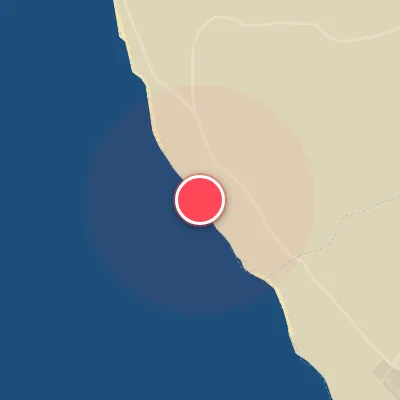
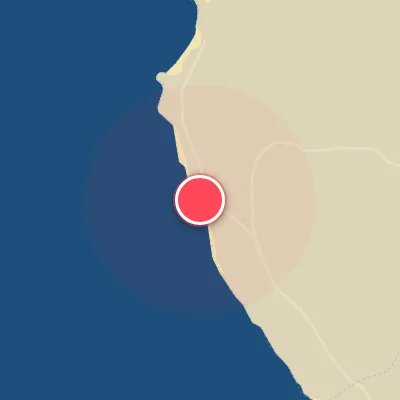
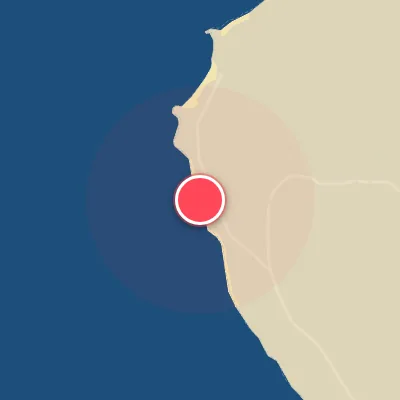
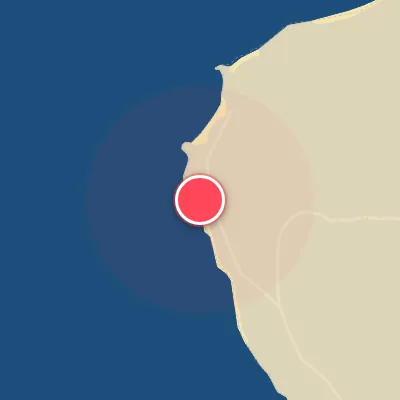
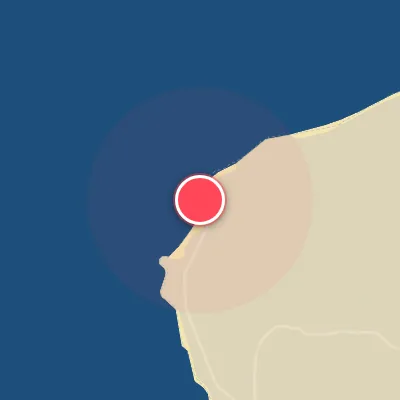
Tucked inside a protected bay, Little Malibu is a high-performance reef break that draws a dedicated crew when conditions align. This is not the mellow, longboard-friendly Malibu of lore—this is its feistier, more hollow cousin, offering fast, right-hand waves that pitch over a shallow coral reef. Think steep drops, makeable barrels, and sections that demand sharp turns and quick adjustments. The reef is a constant hazard, with exposed coral heads lurking in the wave face, so commitment and local knowledge go a long way. Swells from the northwest are the lifeblood here, with the wave handling cleanly from 4 to 8 feet (chest to overhead). Wind matters: northeast to east winds groom the surface best, keeping the takeoff zone smooth and the lineups defined. Tidal nuance is key—mid to high tide is your window, when the reef offers enough water to make the wave both rideable and hollow. Low tide exposes the dangers and turns the wave into a fast, shallow drainer best left to the experts. Expect company. Little Malibu is a magnet for local bodyboarders and expert shortboarders, and when it’s firing, the lineup can feel like a revolving door of priority battles. If you’re not comfortable navigating a busy, competitive pack, this spot may test your patience. The best times to score are spring and autumn, when tropical cyclone swells can pump in consistent, well-ordered lines. Patience is a requirement—this break can be inconsistent, but when it turns on, the reward is a snappy, lively right that delivers some of the most fun rides in the area. Pack a shortboard or a bodyboard, sharpen your reflexes, and be ready to earn every wave.
Best Surf Season & Climatology
Best Surf Season (November - March)
Little Malibu's most reliable surf arrives through the late autumn and winter months, when the average swell height builds to a solid 5ft (1.5m) and the wave period hangs around the 10-second mark. This is the time when the Atlantic subtropical high tightens its grip, feeding a consistent stream of ENE and NE trade-wind swell across the island. While the beach faces southwest and would theoretically fire hardest on genuine SSW-W swells, those westerly windows remain extremely rare in the data. Instead, the NE-E quadrant dominates the wave rose, delivering punchy, rideable lines that still manage to wrap around the rocky structure and produce clean, rippable peaks. Add a steady offshore component from the N through E quadrant - which blows, on average, 63-64% of the time - and you have the best recipe for quality surf this spot offers.
Detailed Surf Information for Little Malibu
Detailed Surf Forecast
Access our detailed 8-day swell and wind forecast charts for Little Malibu with tidal graphs, period ranges, and daily forecast text summaries.
Swell & Wind Statistics
Explore historical swell consistency, wave heights, and offshore wind windows month-by-month, compiled from over 40 years of data.
Historical Surf Report
Browse the historical database archives to view past wave reports and understand spot climatology during specific years and months.